

Question 111
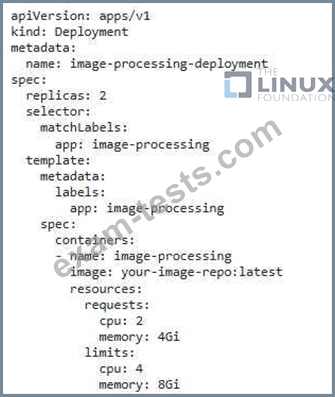
You are deploying a microservice that handles image processing tasks. The service requires a significant amount of resources, including both CPU and memory. To optimize resource utilization and ensure efficient scaling, you want to leverage Kubernetes' resource management features. Design a deployment strategy that leverages Kubernetes resources to manage and optimize the image processing service.
Question 112

Task:
A pod within the Deployment named buffale-deployment and in namespace gorilla is logging errors.
1) Look at the logs identify errors messages.
Find errors, including User "system:serviceaccount:gorilla:default" cannot list resource "deployment" [...] in the namespace "gorilla"
2) Update the Deployment buffalo-deployment to resolve the errors in the logs of the Pod.
The buffalo-deployment 'S manifest can be found at -/prompt/escargot/buffalo-deployment.yaml See the solution below.


Question 113
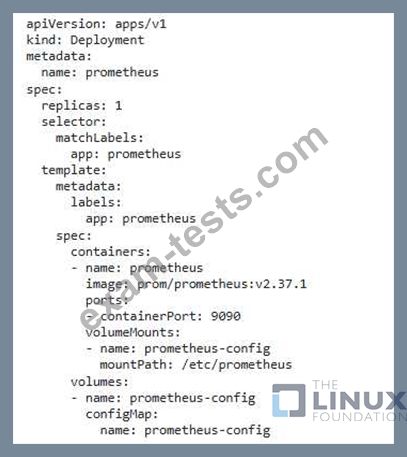
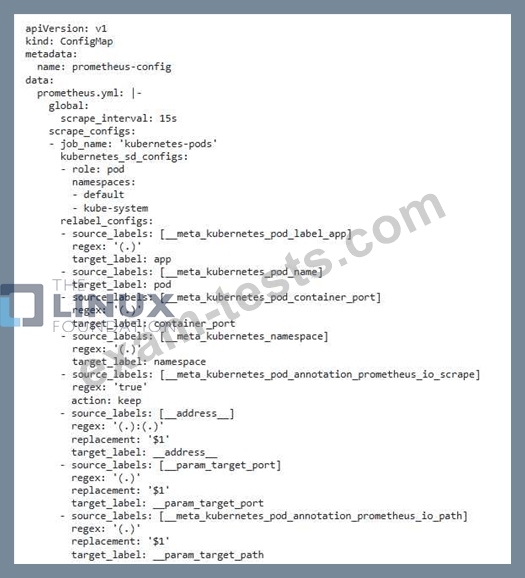
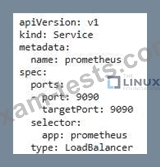
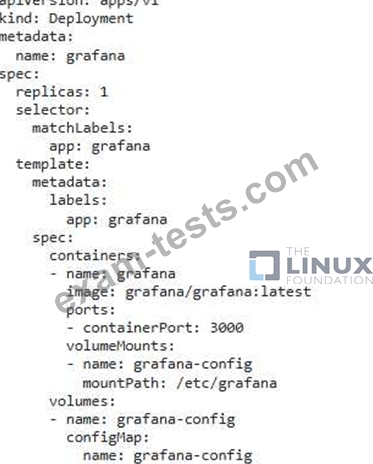
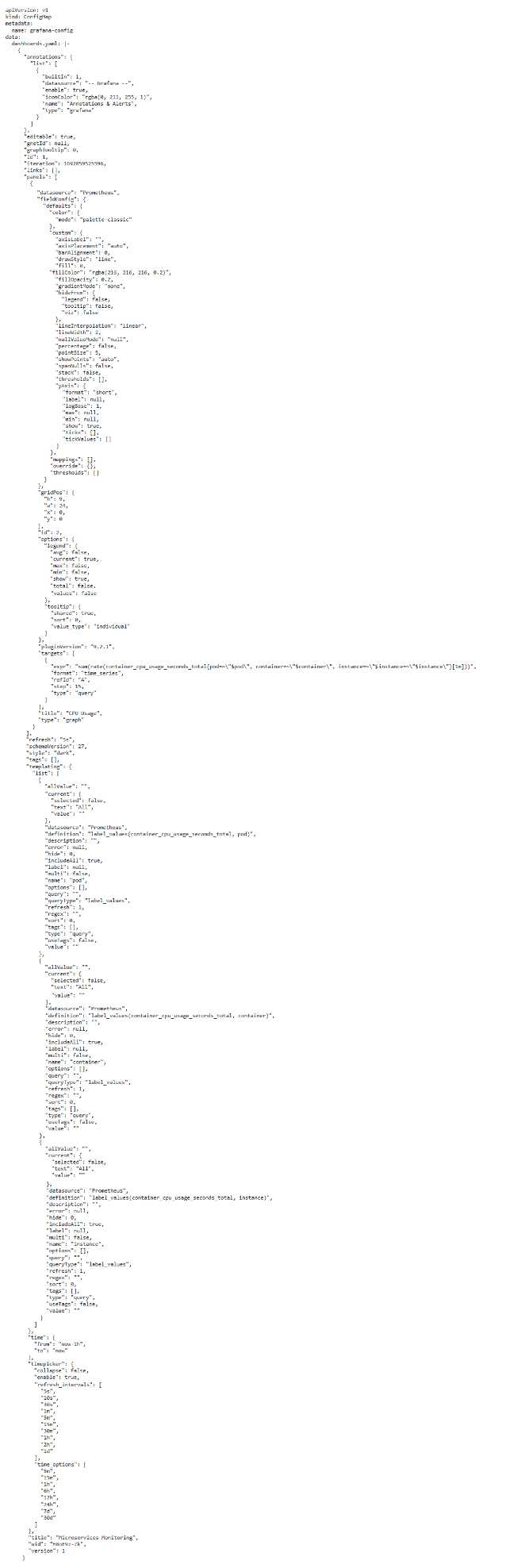
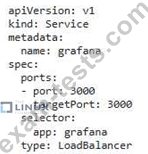
You have a Kubernetes cluster running a microservices application. The application nas a set of microservices deployed as Deployments, each with their own set of resource requests and limits- You want to implement a monitoring system to track the resource utilization of these microservices.
Question 114
You are developing a multi-container application that includes a web server, a database, and a message broker. You want to ensure that the database and message broker start before the web server to avoid dependency issues. How can you design your deployment to achieve this?


Question 115
You are developing a new microservice that requires access to a database deployed in a different namespace. You want to configure a ServiceAccount and RoleBinding to provide the necessary permissions for the microservice to connect to the database.


Premium Bundle
Newest CKAD Exam PDF Dumps shared by BraindumpsPass.com for Helping Passing CKAD Exam! BraindumpsPass.com now offer the updated CKAD exam dumps, the BraindumpsPass.com CKAD exam questions have been updated and answers have been corrected get the latest BraindumpsPass.com CKAD pdf dumps with Exam Engine here: