Question 41
Leitax is a consumer electronics firm with headquarters in the US and with a global sales presence. The company maintains seven to nine models in its product portfolio, each of which has multiple SKUs. Product life ranges from fifteen to nine months and is getting shorter. The demand planning and master planning processes at the company were ill-defined. Data relevant to forecasting were usually inaccurate, incomplete, or unavailable and the lack of objectives and monitoring mechanisms for the demand planning process meant that process improvement could not be managed. Support for supply management was equally ill-defined, as master production schedules were sporadic and unreliable and suppliers had learned to mistrust them. Leitax's newly appointedSupply chain director, Jessica realises that the "buy-in" of different functional groups was critical to the improvement of demand planning. She invites relevant stakeholders to a meeting so that they can express their opinions openly. What tactic is Jessica using?
Question 42
A procurement manager is preparing fora negotiation with an important supplier. He plans to withhold some crucial information so that his company gains the upper hand in the negotiation. Is this correct when considering using integrative approach to the negotiation?
Question 43
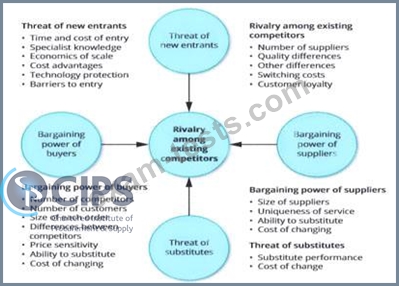
Sumitomo Rubber Industries (SRI) is a Japan-based tyre manufacturer. In order to increase production, SRI is sourcing rubber from Southeast Asian firms. Which of the following micro factors are most likely to shift the balance of power to supplier? Select TWO that apply
Question 44
Which of the following are examples ofnon-verbal negotiation? Select THREE that apply.
Question 45
Stalemate is morelikely to happen if both parties trade more variables in a commercial negotiation. Is this assumption true?